
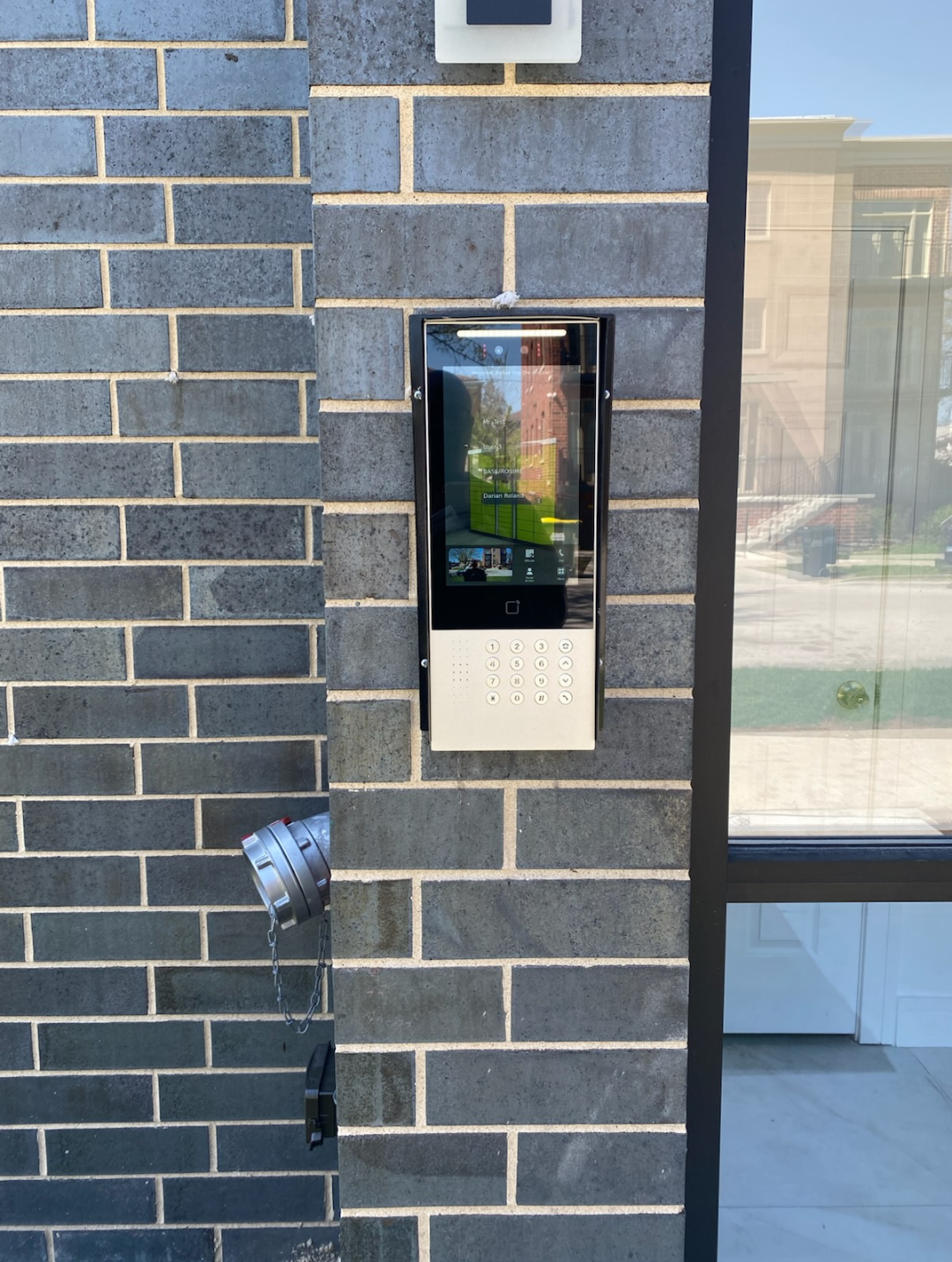
When a property manager is dealing with missed deliveries, uncontrolled entry, or outdated lobby communication, the intercom choice affects more than convenience. A zdl-8500 multi-tenant building wireless intercom system is usually considered for one reason – the building needs practical visitor communication and entry control without the disruption of a fully hardwired retrofit.
That makes this type of system especially relevant in apartment buildings, mixed-use properties, smaller condo developments, and older multi-unit sites where running new cable can increase labor, wall repair, and project delays. The zdl-8500 offers built-in Wi-Fi, LAN & Cellular Network— For maximum flexibility for any building setup—no need for complex wiring. Support Any Phone — Allow calls to any phone over the cellular network and video calls via app over Wi-Fi or LAN.
Where a zdl-8500 multi-tenant building wireless intercom system makes sense
Ina new construction project, low-voltage wire pathways may already exist to link optional In-Apartment Monitor. This system easily integrate with indoor monitors for video calling, door release, and real-time visitor interaction. In an occupied building with finished walls, masonry, or limited access to risers, the Cellular Voice Calling to Any Phone – Built-in 4G LTE module enables direct voice calls to landlines or mobile phones—residents can answer and unlock using their phone’s keypad (# key unlock). Video Calling support via Mobile App – Residents receive HD video calls through a free smartphone app (iOS & Android) when connected via Wi-Fi or LAN. Installation time do matters. So does minimizing disruption to tenants.
A zdl-8500 multi-tenant building wireless intercom system is generally best suited for properties that need a front-entry call station tied to multiple units, with communication that allows tenants or staff to verify visitors and release the door. In many real deployments, the appeal is not just avoiding cable runs. It is also the ability to modernize entry management without rebuilding the entrance infrastructure from scratch.
For smaller and mid-size buildings, that can be a strong operational advantage. Property teams can address tenant complaints about entry delays, package access, and visitor screening with a system that is more install-friendly than older analog setups. For installers, it can also reduce time spent navigating finished interiors and difficult pathways.
What buyers should know before choosing this system
The biggest mistake in multi-tenant intercom purchasing is treating the model name as the whole answer. In practice, you need a system that offers maximum flexibility for any building setup with no need for complex wiring. The system also includes a ready-to-activate SIM card, allowing plug-and-play deployment with cellular voice functionality from day one.
Wireless connectivity range with no limitation
In most cases wireless performance depends on construction materials, floor count, wall density, electrical interference, and device placement. A three-story wood-frame property behaves differently from a concrete or brick structure. This system multiple network options like the built-in Wi-Fi, LAN & Cellular Module — offers maximum flexibility for any building setup with no need to worry about connectivity limitations even if the system is recessed in steel framing or surrounded by signal obstacles.
That is why serious buyers should consider the zdl-8500 and not just overlook nor underestimate its performance. Either planning install for site with clean signal travel or a site with thick barriers or unusual layout, the zdl-8500 ships ready for instant deployment from day one without external wiring or networking. No need of added planning, different component placement, or a different system approach altogether.
Tenant count and call management matter
Multi-tenant means the system has to handle more than a single front door conversation. It has to support organized calling, clear unit identification, and predictable operation when different residents use it daily. The panel layout, directory method, and tenant station setup all affect usability.
If the property has frequent tenant turnover, management should also think about how names, unit assignments, and access permissions are updated. A system that is easy to install but awkward to maintain can become a problem after the first lease cycle.
Door hardware compatibility should be checked early
The zdl-8500 Intercom support locking hardware selection and [locking hardware](https://unikcctv.com/product-category/door-locks/remote-control-door-locks/) should never be handled as separate conversations. The release function has to match the actual door condition. That includes electric strikes, magnetic locks, request-to-exit devices, power supplies, and any life-safety requirements attached to the opening.
If the entrance already has access control hardware in place, the question simply becomes integration. The zdl-8500 does support the entry workflow without forcing a complete hardware replacement? In most buildings, the answer is yes. In others, the intercom is only one piece of a larger correction that includes the lock, door closer, and exit devices.
Operational strengths of wireless intercom in multi-tenant properties
The zdl-8500 wireless intercom system can solve a very specific problem: how to improve front-door communication and release capability in a building that is difficult or expensive to rewire. That advantage is real, especially for retrofit work.
There is also a speed benefit. For many installers and property owners, shorter installation time means less disruption at the entrance, fewer wall repairs, and a faster path to getting the building back into normal operation. In occupied residential properties, that matters as much as equipment cost.
Another strength is targeted modernization. Not every property needs a large enterprise access system. Some need dependable visitor communication at one or two main entries, clear routing to residents, and a controlled release function that works every day. In that situation, a wireless multi-tenant intercom can be the practical middle ground between an outdated buzzer system and a more complex integrated platform.
Trade-offs buyers should keep in mind
Wireless systems solve some problems and introduce others. That does not make them a compromise by default, but it does mean the decision should be based on the site instead of the sales label.
Battery, power, and maintenance planning
Some wireless components reduce cabling but still depend on local power or battery-managed devices. In a commercial or managed residential setting, maintenance responsibility has to be clear. If a component loses power, who notices first – the tenant, the super, or the installer on a callback?
For professionally managed buildings, the better approach is to define a service plan from the start. That includes power review, testing intervals, and replacement planning where applicable.
Interference and building changes over time
A system may test well on day one and face different conditions later. New networking equipment, metal fixtures, tenant renovations, or changes in nearby electronics can affect signal behavior. That is another reason experienced specification matters. A proper deployment considers not only current conditions but also how the building may change.
Scale has limits
Not every multi-tenant site is a good wireless candidate. If the building is large, highly segmented, or spread across multiple entry points with complicated access rules, a more structured wired or hybrid solution may be better. Wireless often works best where the need is focused and the coverage environment is manageable.
How installers and property managers should evaluate the fit
The most effective buying process starts with the opening, not the product sheet. How many doors need communication? How many tenants need to be called? Is the goal visitor screening, remote release, delivery handling, or all three? Is there already an access-control system that has to remain in place?
After that, look at construction type, distance, power availability, and lock hardware. If the front entry is the main pain point and the building has a realistic wireless path, the zdl-8500 multi-tenant building wireless intercom system may be a strong candidate. If the site has multiple structural barriers, high user volume, and several controlled openings, a different architecture may be more dependable over time.
For distributors and installers, this is where application support matters. Product availability is one thing. Matching the right intercom to the right property is what prevents returns, delays, and field headaches. That is why many professional buyers work with suppliers that understand both intercom equipment and the surrounding door hardware, power, and access components. A source like UnikCCTV is valuable in that context because the discussion can stay focused on deployment reality instead of just catalog specs.
What a successful deployment looks like
A good multi-tenant intercom install is not defined by how advanced it sounds. It is defined by consistency. Visitors can reach the right unit. Residents can respond without confusion. The release function works with the door hardware. Management can maintain the system without unnecessary service calls.
That outcome usually comes from planning the system as part of the entry infrastructure, not as a standalone gadget. The intercom, lock, power, tenant stations, and building layout all have to support one another. When they do, the property gains better control at the entrance and fewer daily friction points for tenants and staff.
If you are evaluating a zdl-8500 multi-tenant building wireless intercom system, the best next step is to look past the model name and focus on the actual opening, the tenant workflow, and the door hardware already in place. That is where the right decision gets made.


 No products in the cart.