
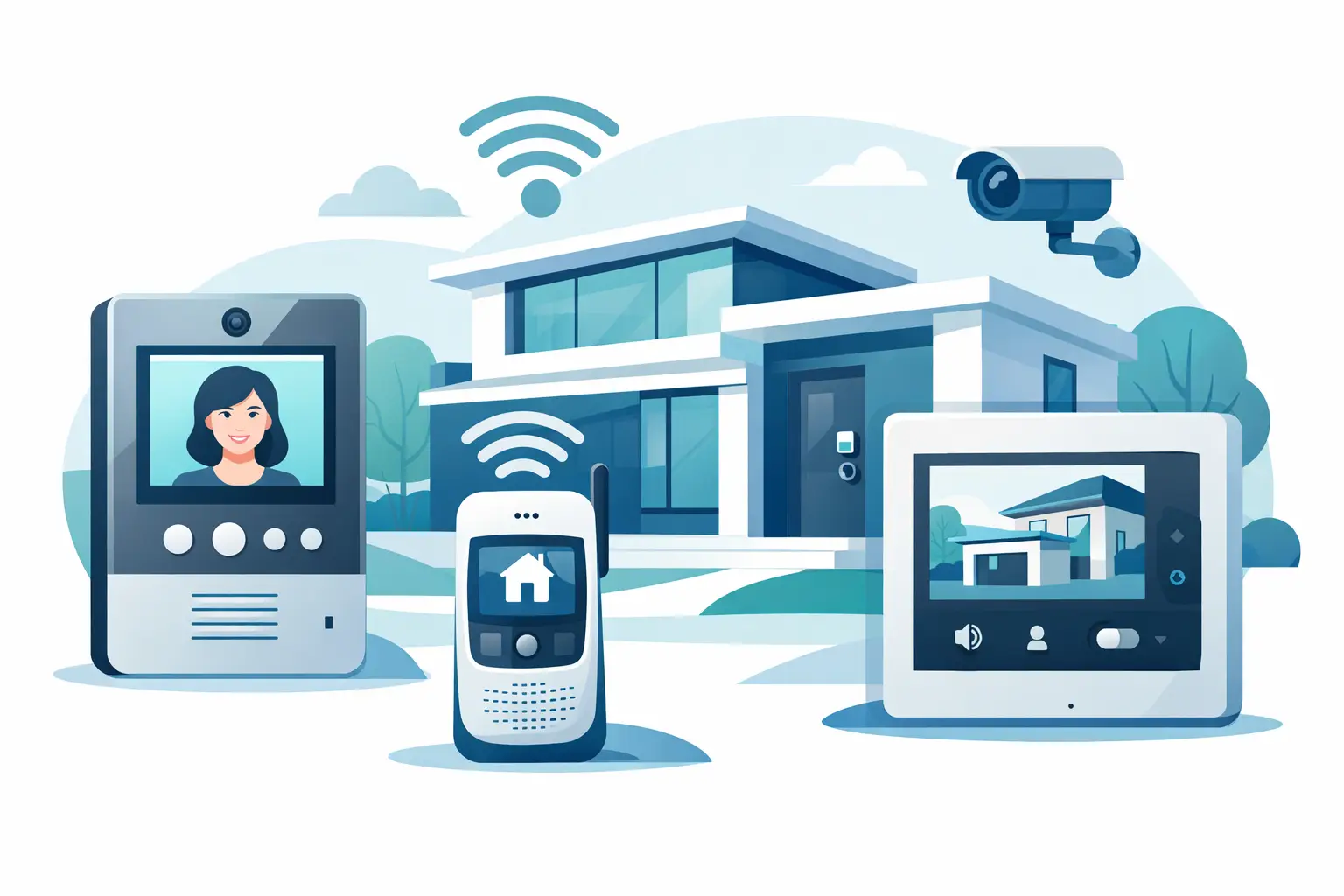
A front door intercom stops being a nice extra the first time a delivery arrives at the wrong entrance, a visitor presses the wrong unit, or a homeowner needs to verify who is at the gate before releasing a lock. That is why buyers looking for the best intercom systems for homes are usually not shopping for gadgets. They are trying to solve a real entry-control problem with equipment that works consistently, fits the property, and holds up over time.
For some homes, that means a simple audio station at the front door. For others, it means a video intercom tied to an electric strike, a gate operator, or multiple indoor monitors. The right choice depends less on trends and more on layout, wiring path, number of entry points, and how much control the user wants from inside the house or remotely.
What makes the best intercom systems for homes
The best system is the one that matches the application without creating unnecessary complexity. In a single-family home with one front entry, a one-door video intercom may be enough. In a larger property with a pedestrian gate, vehicle gate, and main door, the better fit may be a multi-entrance system with indoor stations and mobile app support.
Reliability should come first. A good residential intercom needs clear audio, stable video if cameras are included, weather-resistant outdoor hardware, and dependable lock-release performance. If the system is part of daily entry, failure is not a minor inconvenience. It affects security and access.
Compatibility also matters. Some homeowners only want communication. Others need the intercom to trigger an electric strike, magnetic lock, gate opener, or access controller. If the system will be part of a broader door-security setup, it should be selected that way from the start instead of treated as a standalone device.
Start with the property, not the product
The fastest way to narrow the field is to look at the building and the entry flow. A ranch home with one front door is a different job than a three-story residence with a detached gate and rear service entrance.
Wiring conditions often decide whether a hardwired or wireless approach makes sense. If the walls are open during renovation or new construction, hardwired intercoms usually provide the most stable long-term performance. If cable runs are difficult or the installation must be done with minimal disruption, a wireless or network-based option may be more practical.
Distance is another key factor. A short run from front door to interior monitor is straightforward. A long-distance gate call station requires more attention to voltage drop, cable type, network design, or wireless signal quality depending on the system architecture.
Audio, video, and smartphone access
Audio-only systems still make sense in the right application. They are often less expensive, easier to configure, and perfectly adequate when the user only needs two-way communication and door release. In homes where the entry point is already covered by a separate surveillance camera, audio intercom can be a clean, efficient choice.
Video intercoms provide stronger identity verification. Being able to see a visitor before unlocking the door is useful for homes, small multifamily buildings, and gated properties. The quality difference between entry-level and professional-grade video hardware is noticeable, especially in low light, backlit entrances, or harsh weather.
Smartphone access is popular, but it should be evaluated carefully. Remote answer capability is convenient for package deliveries or letting in family members. At the same time, app-based access adds dependency on network stability, proper setup, user permissions, and ongoing support. For some buyers, that is worth it. For others, especially where simple local control is the priority, indoor monitors with direct wiring remain the better fit.
Wired vs wireless residential intercoms
When buyers compare the best intercom systems for homes, this is usually the first technical split.
Hardwired systems
Hardwired intercoms are typically the stronger option for permanent residential installation. They offer stable communication, consistent power delivery, and fewer issues related to battery life or signal interference. They also integrate well with electric locking hardware and gate controls.
The trade-off is labor. Cable routing can be simple in new construction and much harder in finished homes. That does not make hardwired systems impractical, but it does mean the installation plan needs to be realistic before equipment is selected.
Wireless systems
Wireless intercoms reduce installation disruption and can work well in smaller homes or retrofit situations. They are often chosen when running new cable would be too costly or too invasive. Some are true intercom platforms, while others are closer to smart doorbells with two-way communication.
The trade-off is consistency. Wireless performance depends on building materials, range, power management, and network conditions. For casual residential use that may be acceptable. For critical entry control, many professionals still prefer wired or hybrid systems.
Best system types by use case
A buyer will usually get better results by choosing by application rather than by brand name alone.
Single-door front entry systems
For a standard home with one public entry, a compact video door station and one or more indoor monitors is often the most practical setup. This covers visitor communication, visual verification, and door release if an electric strike is installed. It is straightforward, scalable, and easier to support over time than piecing together unrelated devices.
Gate intercom systems
Homes with perimeter gates need more than a basic front-door unit. The system should be designed for outdoor exposure, longer communication distance, and reliable relay control for gate operators. Camera angle, night visibility, and audio clarity matter more here because the visitor is farther from the house and environmental noise is usually higher.
Multi-entry residential properties
Larger homes, guest houses, or small multifamily buildings often need more than one door station and more than one interior answering location. In that case, expandability is critical. A system that supports multiple stations, selective call routing, and clean wiring architecture will be easier to live with than a collection of separate one-door kits.
Retrofit-friendly systems
In older homes where opening walls is not ideal, a hybrid system may be the right answer. Some platforms allow a mix of indoor stations, app-based answering, and limited new cabling. These can work well, but only if the buyer is clear about what features are essential and what compromises are acceptable.
Features that matter more than marketing
A long feature list does not always equal a better system. In practice, a few performance points matter most.
Outdoor station durability is one of them. The door unit needs to handle weather, regular use, and occasional abuse. Another is audio quality. If speech is muffled or full of echo, the system becomes frustrating fast. For video models, wide dynamic range and low-light performance are more valuable than inflated resolution claims.
Lock control should be looked at closely. The intercom must match the door hardware, power supply, and release timing requirements. This is where many residential projects go wrong. Buyers choose an intercom first and only later realize the electric strike, maglock, or gate relay requires a different power arrangement or interface.
Ease of service is another point professionals care about. Replaceable components, available accessories, and clear wiring documentation matter because systems eventually need expansion, troubleshooting, or part replacement.
Common buying mistakes
One common mistake is buying a consumer-grade device for a professional-use application. If the intercom is expected to control entry every day, work at a gate, or support multiple indoor stations, it should be selected from a professional hardware category.
Another mistake is underestimating installation conditions. Cable distance, transformer sizing, lock power, network layout, and weather exposure all affect performance. A system that looks ideal on paper can become unreliable if these details are ignored.
A third mistake is overbuying features that add complexity without adding real value. Not every home needs cloud management, multiple apps, touchscreen monitors, and advanced automation. If the job only requires dependable communication and one release point, a simpler architecture is often the better system.
How to choose with fewer surprises
Start with four questions: how many entry points need communication, whether video is required, whether a lock or gate must be released, and what wiring path is realistically available. Those answers eliminate a large part of the market quickly.
From there, think about daily use. Who will answer calls, from where, and how often? A homeowner who wants a fixed indoor station near the kitchen has different needs than a property manager who wants mobile access across several entrances.
This is also where working with a specialized supplier helps. A distributor such as UnikCCTV can help match intercom type, door hardware, and access components before purchase, which is usually less expensive than correcting a mismatched system after installation.
The best intercom system for a home is rarely the one with the most features. It is the one that fits the property, supports the door or gate hardware properly, and works the same way every day without guesswork. If you choose from that standard, the system will keep doing its job long after the novelty wears off.


 No products in the cart.