

A missed delivery is inconvenient. Opening the door to an unknown visitor is a security risk. That is why a video intercom system for home use has become a practical upgrade for single-family houses, gated residences, condos, and small multi-unit properties that need better control at the entry point.
The right system does more than show a face on a screen. It helps verify visitors, manage door access, support day-to-day convenience, and reduce guesswork at the front door, gate, or secondary entrance. But not every residential setup needs the same equipment. The best choice depends on how the property is laid out, how the door will be unlocked, how many stations are required, and whether the buyer wants a simple standalone system or one that ties into broader access control.
What a video intercom system for home actually does
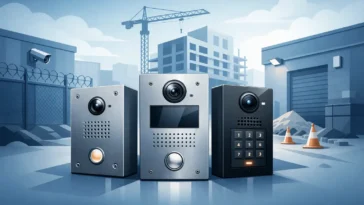
At its core, a residential video intercom system includes an outdoor door station with a camera, one or more indoor monitors, and a method of communication between them. When a visitor presses the call button, the system sends audio and video to the interior station. The occupant can speak with the visitor and, if the system is configured for it, release a compatible electric lock, maglock, gate operator, or strike.
That basic function is straightforward, but the real differences show up in system design. Some units are built for one door and one monitor. Others support multiple indoor stations, multiple entrances, elevator or gate integration, and mobile app access. For a detached home, a simple one-door kit may be enough. For a larger property with a pedestrian gate and main entry, expandability matters much more.
Start with the entry point, not the screen
Many buyers begin by comparing monitor sizes or asking whether the system has app access. Those features matter, but the first decision should be at the door station. The entry hardware drives the rest of the system.
A front-door installation has different demands than a driveway gate. A recessed door station may fit a finished exterior wall well, while a surface-mount unit is often easier for retrofit jobs or masonry locations. If the station will be exposed to weather, vandal resistance and environmental rating matter. If the property gets heavy afternoon sun or low-light conditions, camera performance and viewing angle become more important than monitor cosmetics.
This is also where access control starts. If the homeowner wants to unlock the door from inside, the intercom must be matched to the correct locking hardware and power requirements. That sounds basic, but it is where many residential projects go off track. The monitor can have a door-release button, but if the strike, lock, power supply, or relay setup is wrong, the feature will not perform as expected.
Wired vs. networked systems
One of the biggest practical decisions is whether the system is traditional wired, IP-based, or a hybrid approach. There is no universal winner because the building determines what makes sense.
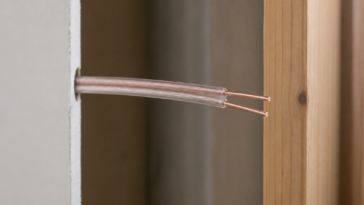
A wired monitor-to-door-station system is often a strong fit for homes where cabling can be run cleanly during new construction or renovation. These systems can be stable, direct, and easier to isolate when troubleshooting. They are also a good choice for buyers who want a dedicated in-home station without relying primarily on smartphones.
IP-based video intercom systems offer more flexibility when remote answering, multi-device access, and integration are priorities. They can be a better fit for larger homes, gate entries, and properties where the owner wants to answer calls from a phone when away. The trade-off is that network design, device compatibility, and setup quality matter more. A poor network will make a good intercom act like a bad one.
For serious residential applications, the question is not which format is newer. It is which format is more dependable for the site.
When mobile app access helps – and when it is overrated
App-based answering is one of the most requested features in a video intercom system for home installations. It can be useful, especially for owners who travel, receive frequent deliveries, or manage a gate from different parts of the property. Being able to see a visitor and trigger a release from a phone can solve real operational problems.
Still, app access should not be treated as a substitute for proper system design. If the home has multiple family members, staff, tenants, or frequent service visitors, indoor monitors still provide a more consistent and immediate response point. Phones get silenced, left in another room, or disconnected from the network. A fixed station on the wall remains available.
For that reason, many better residential setups use both. The indoor monitor handles daily use inside the property, and the mobile app extends access rather than replacing it.
Door release is where system quality shows up
If the goal is only visitor screening, many systems can handle the job. If the goal includes controlled entry, the equipment needs to be selected more carefully.
Electric strikes are common when the opening already has compatible lock hardware and a practical way to run wire. Maglocks are sometimes used on gates or special doors, though they need proper code consideration and exit hardware planning. Gate operators may require dry contact relay integration instead of direct lock power. Some homes need one release for a pedestrian gate and another for the main entry.
This is why installers and experienced buyers look beyond the intercom kit itself. They evaluate lock type, voltage, current draw, relay capacity, power distribution, and whether the release is fail-safe or fail-secure. A system that looks complete in the box may still need the right accessories to become a reliable working installation.
Single-family homes, condos, and small multi-unit properties need different setups
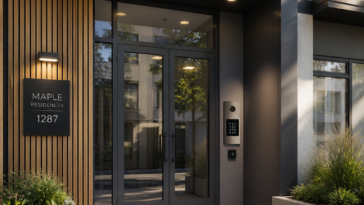
The phrase “home” covers a lot of ground. A single-family front door is one use case. A condo building with a common entrance is another. A two-flat or four-unit property has different call routing, tenant station, and directory needs.
For a single-family residence, the main questions are usually how many entry points need coverage, whether remote unlock is required, and whether the owner wants one monitor or several. For a condo or small apartment property, the system may need multiple tenant stations, name or unit identification, and hardware that can stand up to heavier daily use.
That difference matters because consumer-grade doorbell products are often compared to true intercom systems, even though they are built for different purposes. A doorbell camera may be acceptable for basic viewing and notifications. It is rarely the first choice when the property needs indoor stations, dependable release control, multiple units, or integration with professional-grade entry hardware.
Installation conditions matter more than spec-sheet promises
Two systems with similar published features can perform very differently once installed. Cable distance, wire gauge, power availability, lock compatibility, and mounting conditions all affect the result.
A retrofit job in an older brick house may favor equipment that tolerates limited wiring paths and simpler power arrangements. New construction allows more freedom and often makes a larger intercom layout practical. Gate applications introduce trenching, surge protection, and long-distance transmission concerns that do not show up at a standard front door.
This is where working with a specialized distributor helps. A buyer may know they need video at the door and indoor communication, but the final system should be based on the site, not just a product image. Companies such as UnikCCTV are built around that more practical approach – matching hardware to the actual opening, wiring path, and access requirement.
What to look for before buying
A good buying process starts with a few plain questions. How many doors or gates need to call in? How many indoor stations are needed? Is there an electric strike, maglock, or gate operator involved? Does the owner want app access, or is an indoor-only system fine? Is this a new wire run or a retrofit? Will the system serve one household or multiple residents?
Once those answers are clear, product selection becomes much easier. The buyer can narrow in on monitor count, mounting style, power needs, relay outputs, camera quality, and expansion limits. That is also the point to check support for replacement parts and long-term serviceability. Residential buyers who want dependable operation should care less about novelty and more about whether the system can be maintained over time.
Price matters, but so does context. Spending less on the intercom and more later on adapters, lock changes, or troubleshooting is not always the cheaper route. A properly matched system often costs less over the life of the installation because it avoids callbacks, workarounds, and premature replacement.
A video intercom system for home use works best when it is treated as entry infrastructure, not just a screen on the wall. If the system fits the property, the wiring, and the locking hardware, it becomes one of those upgrades that quickly feels necessary rather than optional.
 No products in the cart.